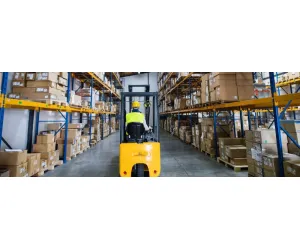


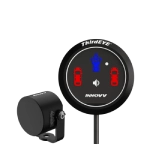
















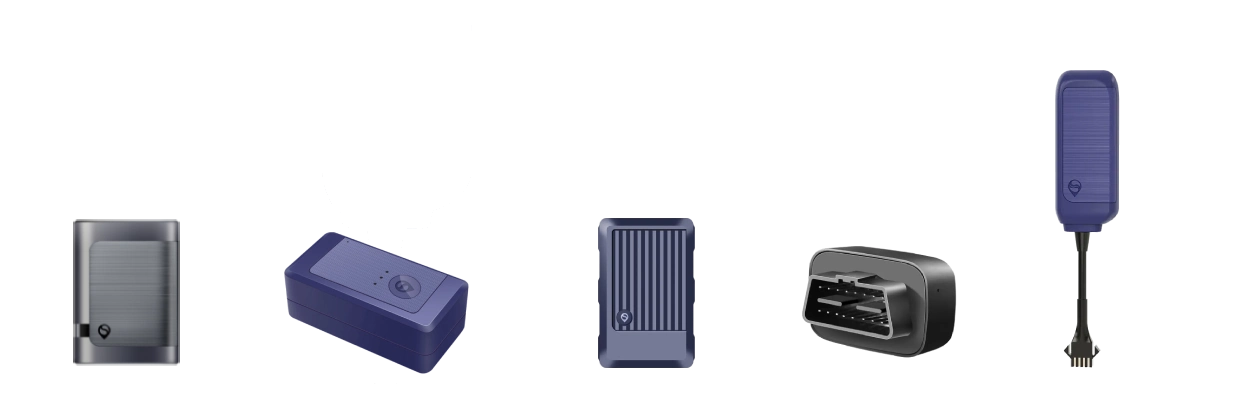




By 2026, accurate, real-time location intelligence has evolved from an operational advantage to an absolute necessity for fleet automation, cold-chain logistics, and high-value asset security across the Kingdom. Behind this revolution is GNSS — Global Navigation Satellite System — a multi-constellation technology that powers today's most reliable high-precision tracking and AI-integrated dash cam systems.
At BSTA.sa, we provide a next-generation range of GNSS-enabled tracking devices trusted by leading enterprises in Saudi Arabia. Whether you are deploying autonomous delivery vehicles, securing critical infrastructure, or optimizing multi-modal logistics, understanding modern GNSS is key to choosing the right hardware.
What is GNSS in 2026?
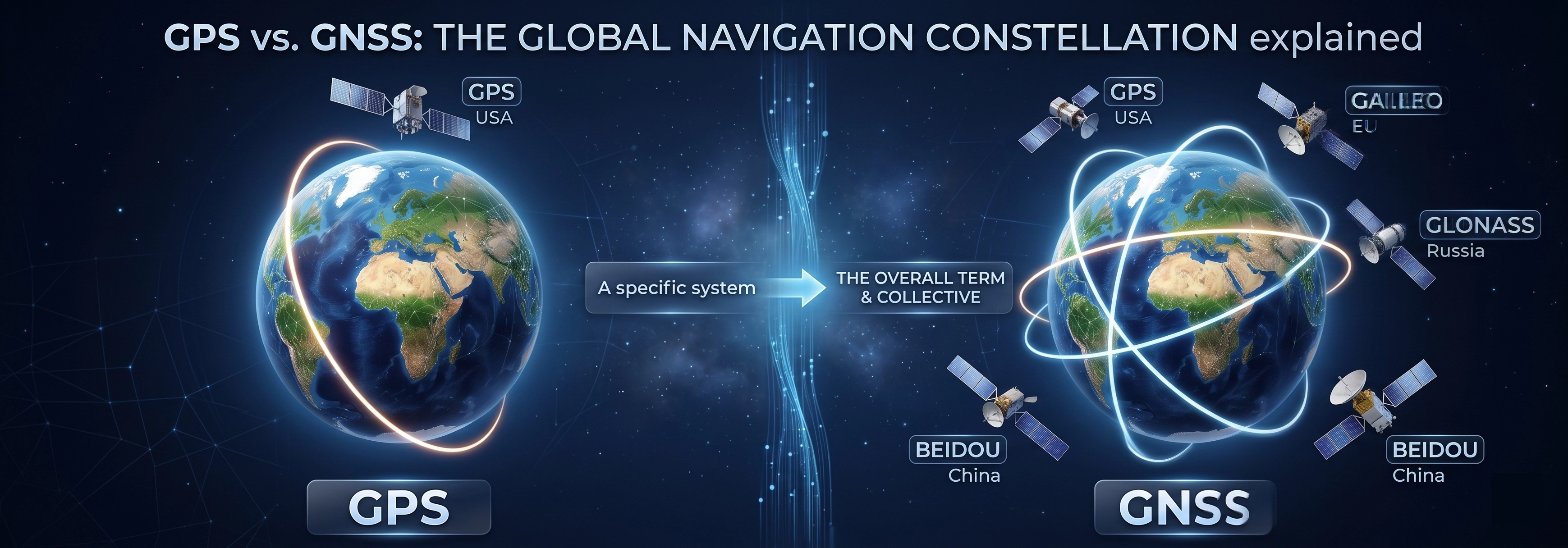
GNSS is the collective, distinct term for all satellite-based positioning systems used to determine precise geographic location. While often used interchangeably, GNSS should not be confused with GPS. GPS (Global Positioning System) is just one of several global constellations operated by the United States. Modern 2026-grade GNSS hardware utilizes signals from all available satellite networks simultaneously to maximize positioning accuracy, availability, and reliability.
The Full GNSS Landscape:
- GPS – United States (fully modernized with L5 civilian signals standard in 2026)
- Galileo – European Union (recognized for superior accuracy in commercial applications)
- BeiDou – China (extensive coverage and high availability in the Middle East)
- GLONASS – Russia
Furthermore, standard 2026 devices now utilize Multi-Band GNSS (L1/L2/L5). By accessing multiple frequency bands from these constellations, standard trackers can now achieve sub-meter accuracy even in challenging "urban canyons" of Riyadh or dense industrial construction zones that used to block older GPS-only signals.
The Role of GNSS in Modern Tracking
A 2026 GNSS tracker doesn't just receive signals; it utilizes advanced on-board algorithms (Edge AI) to process data from multiple bands and constellations. This creates a highly accurate snapshot of location, speed, and time, which is then transmitted over rapid 5G or high-bandwidth 4G (LTE-M/NB-IoT) networks to your management platform.
Advanced GNSS Capabilities Include:
- Sub-Meter Live Location Monitoring for precision logistics.
- Instant Satellite Acquisition (Hot Starts in <1 second).
- Advanced Anti-Jamming & Anti-Spoofing protection for high-security assets.
- GNSS-INS Hybrid Positioning (using dead reckoning when satellites are totally blocked, e.g., deep underground parking).
- AI-Driven Driver Behavior Analytics verified by high-frequency GNSS data.
GPS vs. GNSS – Why Multi-Band Matters
While the market used to accept "GPS tracking," 2026 standards demand Multi-Band GNSS. Using only one system (like GPS) leaves operations vulnerable to signal degradation, ionospheric interference, and intentional jamming.
Technology Comparison:
| Feature | GPS-Only (Legacy) | Multi-Band GNSS (2026 Standard) |
|---|---|---|
| Satellite Source | Single Constellation (USA) | 4+ Constellations Simultaneous |
| Frequency Bands | Single Band (L1 only) | Dual/Multi-Band (L1, L2, L5) |
| Standard Accuracy | ~3–5 Meters | <1 Meter (Decimeter possible with RTK) |
| Urban Canyon Performance | Poor (Frequent Signal loss) | Excellent (Multipath rejection) |
| Security (Jamming) | Vulnerable | Highly Resilient |
The Critical Need in Saudi Arabia
From the dense urban landscapes of Riyadh and Jeddah to the vast, remote desert stretches of the Empty Quarter, multi-constellation support ensures visibility. In remote logistics, if GPS signals are weak, BeiDou or Galileo provide the necessary overlap. In smart cities, Multi-Band technology is essential to overcome signal bounce from glass skyscrapers.
High-Precision GNSS Devices at BSTA.sa
At BSTA.sa, we curate advanced GNSS tracking hardware optimized for Saudi Arabia's environmental and regulatory conditions, compliant with CST and Transport General Authority (TGA) standards.
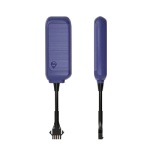
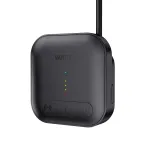
- Zard W18L – AI-Powered Multi-Band GNSS Tracker
An ultra-rugged industrial tracker supporting all four major constellations across multiple bands. Features edge AI for behavior analysis and advanced power management for long-haul logistics and autonomous assets. - Zard V7 Pro – 4G LTE AI Dash Cam with GNSS
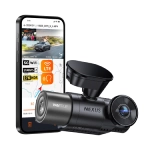
The ultimate remote surveillance solution for logistics and rideshare. Combines dual-channel recording, 4G live streaming, and robust ADAS/DMS features. Its advanced multi-band GNSS ensures decimeter-level mapping accuracy for TGA compliance and real-time fleet risk management. - Zard V6 – Dual-Channel Smart Dash Cam with GNSS
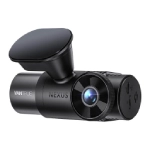
Compact, reliable, and optimized for professional drivers. Supports GNSS data for route history and synchronized video timestamping. Perfect for insurance verification, driver coaching, and last-mile delivery optimization. - VIOFO A329S 3CH – Flagship 4K Multi-Band GNSS System
For maximum operational fidelity. A premium 3-channel system (Front 4K + Interior + Rear) that utilizes standard 2026 high-precision GNSS for forensic-level location logging. Ideal for high-value cargo transport and comprehensive liability protection.
Real-World Applications in the Kingdom
GNSS technology is a foundational element of Saudi Vision infrastructure and logistics goals:
- NEOM Logistics Hub
Autonomous ground vehicles (AGVs) rely on high-precision GNSS integrated with local RTK (Real-Time Kinematic) networks for centimeter-level navigation within smart port facilities. - Secure Last-Mile Delivery – Riyadh
E-commerce fleets utilize geofencing validated by Zard V6 Smart Dash Cams to ensure delivery drivers are at the exact customer location before enabling proof-of-delivery (POD) protocols, reducing failed deliveries by 60%. - Ride-Hailing Safety – Jeddah
A transport company reduced customer complaints by 40% using the Zard V7 Pro to verify incidents through synchronized video and precise Multi-Band GNSS timestamps. - High-Value Cargo Monitoring – Dammam
A logistics firm utilizes the 3-channel visibility and high-fidelity GNSS logging of the VIOFO A329S to protect cold-chain goods, ensuring re-routing if delays occur, preserving sensitive healthcare supply chains. - Stolen Vehicle Recovery – Eastern Province
High-security anti-jamming GNSS trackers from baste.sa (Zard W18L) led to the recovery of heavy equipment stolen from a construction site in under 60 minutes, despite the thieves using low-level GPS jammers.
How to Choose the Right GNSS Solution
When selecting a GNSS device in 2026, keep these factors in mind:
- Accuracy Requirement: Do you need standard location (1m) or high-precision (cm-level via RTK)?
- Constellation Support: Ensure standard support for GPS, Galileo, BeiDou, and GLONASS.
- Multi-Band Capability: Specifically ask for L1/L5 dual-band for urban operations.
- Network Connectivity: Match the device to 4G (LTE-M/NB-IoT) or 5G based on data needs.
- Regulatory Compliance: All BSTA.sa devices meet TGA, CST, and MOI requirements for tracking in Saudi Arabia.
Our expert team at BSTA.sa is ready to consult on solution architecture, installation, and platform integration for precision GNSS deployment.
Frequently Asked Questions (FAQs)
Why do I need GNSS instead of just GPS in 2026?
GPS alone is no longer considered reliable for commercial operations. GNSS accesses multiple satellite systems, providing far superior accuracy (sub-meter) and, crucially, signal availability in dense urban environments or remote areas where GPS-only signals may fail.
What is "Urban Canyon" and why does modern GNSS solve it?
An urban canyon occurs when tall buildings block or bounce satellite signals, causing legacy GPS trackers to lose lock or report inaccurate positions (multipath error). Modern Multi-Band GNSS (L1/L5) filters out these bounced signals and uses available satellites from other constellations (like Galileo or BeiDou) that are visible above the buildings.
Does GNSS require a cellular connection to work?
GNSS calculates position solely via satellite signals and does not need the internet. However, to transmit that location data *live* to your tracking platform, a cellular connection (4G/5G) is required.
Are high-precision GNSS trackers compliant with Saudi TGA regulations?
Yes. The Transport General Authority (TGA) mandates specific tracking standards for commercial fleets. GNSS devices provided by BSTA.sa are certified to meet or exceed these regulatory requirements, ensuring full compliance for your business.
Is installation difficult for high-precision GNSS systems?
Basic tracking is often plug-and-play via OBD ports. However, advanced systems for logistics and dash cams usually require professional hardwiring to ensure consistent power for anti-theft features and to correctly calibrate anti-jamming antennas.
Conclusion
In 2026, GNSS is the undisputed foundation of location intelligence, fleet automation, and asset security. By integrating data from multiple satellite constellations and frequency bands, modern GNSS-enabled devices offer the precision, resilience, and global coverage required for optimized logistical operations.
At BSTA.sa, we are committed to providing Saudi businesses with the Kingdom's most advanced, compliant, and reliable GNSS-powered hardware. Don't rely on outdated legacy systems—upgrade your location intelligence today.
Explore Precision GNSS solutions now at BSTA.sa
 Dash Cam
 Buildings Security
 Tracking Systems
 Reviews & Comparisons