


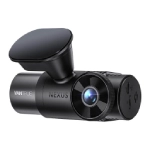
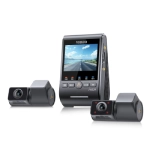

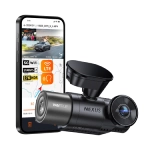
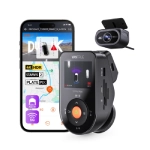












Motorists in Saudi Arabia face a major annual challenge with the onset of summer, as the car's interior turns into something resembling an oven, posing a direct threat to sensitive electronic devices. Among the most severely affected devices are Dash Cams, which are a vital investment for documenting accidents and protecting your rights as a driver.
Neglecting to take the necessary measures to protect your Dash Cam from extreme heat may lead to damage, loss of important footage, or even complete failure at the very moment you need it. This article is your technical and practical guide to understanding how these devices operate under harsh conditions and how to take proactive steps to preserve your investment and safety.
To keep your system running reliably year-round, you need a combination of the right hardware and smart preventative measures. Here are eight expert strategies to keep your dash cam cool and operational, even during peak summer.
1. Invest Exclusively in Premium, Supercapacitor Hardware
This is the most critical rule for hot climates: never buy a cheap, commercial dash cam with an internal lithium-ion battery. In extreme heat, lithium batteries degrade rapidly, swell, and pose a severe fire hazard. Instead, invest in premium dash cams powered by supercapacitors, which safely operate in temperatures exceeding 70°C.
Furthermore, look for reputable brands with high build quality. The best cameras feature strong heat-resistant plastic or aluminum chassis with internal components specifically distributed to promote cooling airflow. They utilize advanced image sensors like the Sony STARVIS 2 and highly efficient processors (such as Novatek or Cortex). High-end processors process data much faster and, as a result, generate significantly less heat.
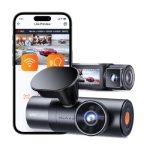
- For Everyday Commutes: Explore premium Car Dash Cams engineered with supercapacitors and smart thermal protection (which automatically shuts the camera down if it gets too hot, and restarts it once cooled).
- For Riders: Only use specialized, fully weatherproof Power Sports Dash Cams designed for direct, high-UV exposure.
2. Strategic Placement & High-Grade Mounts
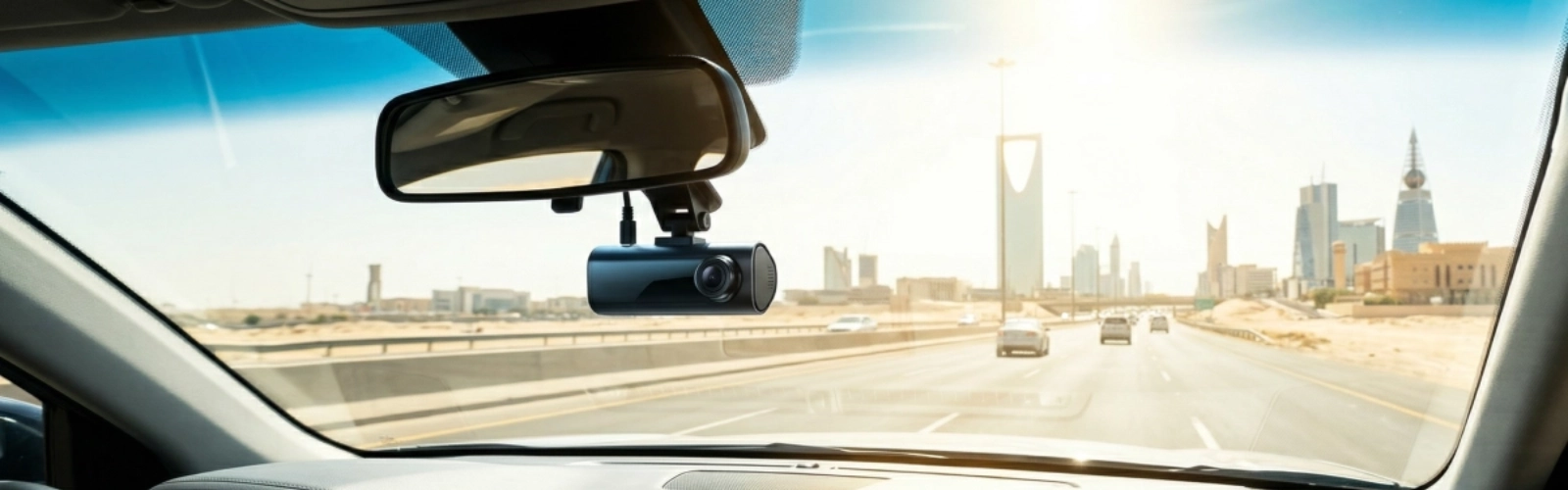
The physical location of your dash cam dictates how much direct ultraviolet (UV) and infrared (IR) heat it absorbs. Mount your camera as high up on the windshield as possible, ideally tucked behind the rearview mirror. Ensure you secure your device using high-quality, heat-resistant GPS Mounts & Stickers utilizing 3M VHB tape so your camera doesn't detach and fall onto a burning hot dashboard.
3. Optimize Device Settings to Reduce Processing Strain
Just like your smartphone overheats when recording a 4K video at 60fps for a long time, so does a dash cam. High-resolution recording and AI features require massive processing power, which generates internal heat. When parking under the sun for extended periods, reduce the workload:
- Lower the Resolution: A 2K resolution is more than enough to capture critical details like license plates. Your goal is capturing factual evidence, not a cinematic movie.
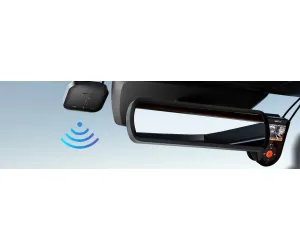
- Turn Off AI: Disable heavy AI detection features or Wi-Fi when not actively needed.
- Smart Adjustments: The best smart dash cams will automatically adjust these settings for you based on the time of day and your geolocation.
4. Use Industrial SD Cards & Maintain Them
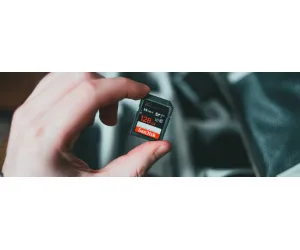
A frequent misconception is that a dash cam is "overheating" when, in reality, the memory card has failed. A standard SD card meant for your smartphone or computer will not work in a dash cam. You must use "Industrial" or "High Endurance" Dash Cam Memory Cards built specifically to handle constant loop recording in an extreme heat environment.
Expert Routine: Format your SD card via the dash cam app every 1 to 2 months. This ensures smooth recording and extends the life of the card. Premium smart cameras will actually send you an automated voice reminder to do this.
5. Beware the Sunshade "Oven Effect" & Ensure Ventilation
While using a reflective windshield sunshade is great for keeping your car's interior cool, never place the sunshade over your dash cam. Trapping the camera in the narrow gap between the burning windshield glass and the reflective sunshade creates a localized "oven effect" that will literally bake your device.
Ensure the camera can "breathe." Do not block it with barriers, and consider cracking your car windows a few millimeters when safely parked to let trapped hot air escape the cabin.
6. Utilize Heat-Deflecting Accessories
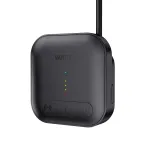
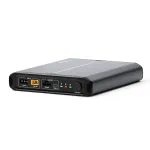
Protective Dash Cam Accessories can actively reduce the thermal load on your device. Attaching a CPL Filter cuts through dashboard reflection and helps deflect a fraction of intense solar energy away from the lens. For parking mode, use dedicated external Battery Packs placed safely in the shaded areas under your seat.
7. Strict Professional Installation
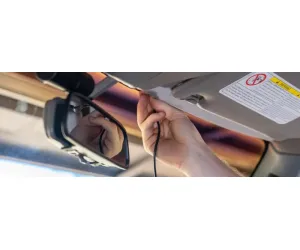
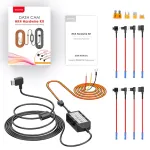
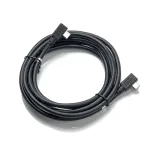
Never take your dash cam to a cheap, general car accessory shop. You must use a specialized auto electrician. Incorrect wiring or poorly grounded cables will generate immediate electrical resistance and heat—even in the winter! Bad wiring will void your car's warranty and poses a severe fire risk. Always use premium Hardwiring Kits and rely on specialized Dash Cam Installation Services.
8. Perform Routine Physical Maintenance
Dust acts as an insulator, trapping heat inside your electronics. Every few weeks, take a moment to wipe down your dash cam with a microfiber cloth. Gently blow out any dust from the camera's body and ensure the cooling ventilation slots are completely clean and unobstructed.
Protect Your Investment and Capture Vital Footage
By implementing these eight expert strategies, you can safeguard your dash cam against Saudi Arabia’s intense summer heat. Don't wait for a system failure to realize your gear wasn't prepared. Equip your vehicle with the right tools today and drive with peace of mind.
Frequently Asked Questions (FAQ)
Q: At what temperature do dash cams typically overheat?
A: Most standard entry-level dash cams operate safely up to 60°C (140°F). However, high-quality supercapacitor dash cams sold at Bsta are built to withstand extreme temperatures up to 70°C (158°F) and higher, making them strictly necessary for Middle Eastern summers.
Q: Is it safe to leave a dash cam in a hot car all day?
A: Yes, provided it is a supercapacitor model. Dash cams with standard lithium-ion batteries can swell or pose severe fire risks in a hot parked car. Always choose supercapacitor dash cams and pair them with safe, heat-rated external battery packs if using parking mode.
Q: How do I know if my dash cam is overheating?
A: Common signs of thermal failure include sudden reboots, frequent "SD Card Error" voice prompts, the device feeling too hot to touch, or recorded footage appearing blurry or out of focus (which happens when extreme heat temporarily warps the plastic lens housing).
Q: Why does my dash cam shut down in the sun even though it is new?
A: Many premium dash cams have a built-in smart thermal protection sensor. If the internal motherboard temperature reaches a critical, damaging level, the device will automatically shut down to protect its internal components and your memory card from permanent damage. It will automatically restart once the cabin cools down.
 Dash Cam
 Buildings Security
 Tracking Systems
 Reviews & Comparisons